BbitbbitBook — Use the Same Library on iOS and the Web
Reading and Tidying Happen in Different Places
On the commute you read on a phone. At home you want a desk and a keyboard for notes. That division of labor is natural. When the tool is trapped on one device, the division breaks. A line left on the train never appears on the laptop; a cleanup done at the desk never reaches tomorrow’s phone. You spend energy asking where you wrote it. That energy is wasted, and wasted energy is one of the quiet killers of reading habits.
One reason reading logs die is that records refuse to follow the day’s path. Life moves across phone and laptop, sometimes a tablet that is not yours. If the library lives in only one place, every other place becomes “I’ll transfer it later.” Transfers rarely happen. Unmoved fragments become islands, and more islands make the whole map foggy until you stop trusting any of them.
I once split pieces across a memo app, a notes app, and a photo album. Each felt convenient in the moment. Retrospectives were the problem. “What did I read this year?” meant opening three places. The moment a retrospective becomes homework, it gets postponed, and postponed retrospectives make memory thinner. Thin memory then makes you feel like you barely read, even when you did.
Place matters because mood matters. The train is for capture. The desk is for sense-making. Tools that force both moods into one screen fight the way people actually live.
The Same Library on Two Screens
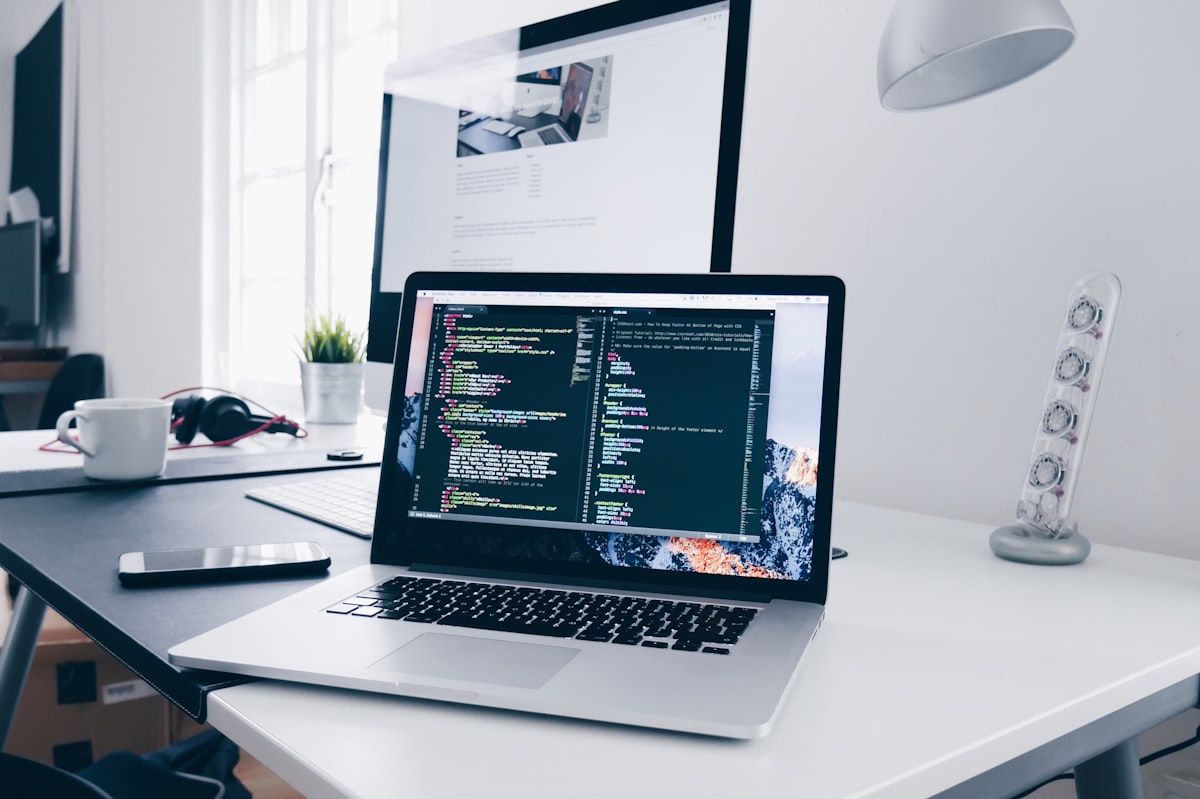
When mobile and web show the same library, place-based labor works again. On the move you register with a barcode and leave a short memo. At the desk you skim on a larger screen, fix statuses, and polish longer lines. If the data matches, either side can continue the other. The question “which device holds it?” goes quiet, and quiet questions leave room for reading.
Sync usually needs a signed-in account. Bound to an account, books added in the app appear on the web, and statuses cleaned up on the web return to the phone. Local-only mode keeps data on that device — fine for a trial, fragile for a phone upgrade or long use. Choose by purpose, not by fear of missing a feature on day one.
This fits people who read in transit and organize at home, people who prefer a keyboard, people who want a library to survive a new phone. Even before an Android app arrives, iOS plus web covers many real routes. Perfect multi-platform matters less than covering the two places you actually inhabit. Coverage of real life beats a brochure of every platform.
Continuity Builds Habit
Habit is often continuity of context, not continuity of willpower. If last night’s open book is waiting on today’s web screen, restarting is easy. Easy restarts accumulate records. Accumulated records feed stats, retrospectives, and the quiet sense that you are someone who reads. Sync looks like a technical feature. In practice it is a seam in the habit — the stitch that keeps two evenings from becoming two abandoned projects.
That seam is why BbitbbitBook offers an iOS app and a web app at bbitbbitbook.com. Sign in and the same library continues. It does not have to be this app. It does have to be a tool that follows your path. Tools that ignore the path, however pretty, end up in one drawer, and drawers do not build memory.
If a list lives only on your phone today, check whether the home monitor can open it too. The moment the same list appears on two screens, tidying stops being homework and becomes continuation. Only continuation becomes habit — and habit is what turns scattered reading into a life you can look back on without guessing.