Saturday Night and the People Who Check the Lotto
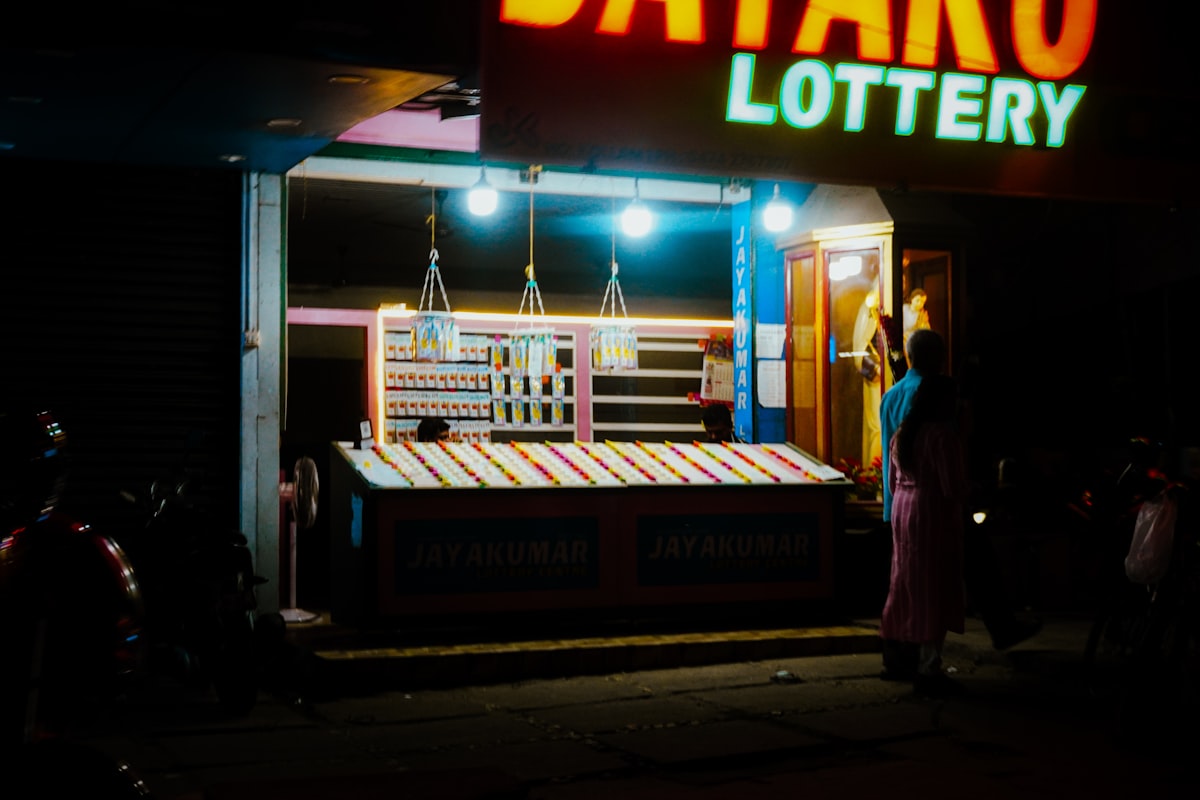
The Landscape of Draw Night
In Korea, the lotto draw is a small weekend event. People who bought tickets check results in the evening — an app, a text, a TV screen. Most lose. Sometimes a small prize hits. Jackpots are rare enough that treating them as a plan is a category error.
And yet they buy again next week. Not always because they have won, but because checking has already become part of the schedule. “I bought, so I check” repeats until it slides toward “I buy so I can check.” Noticing that turn gives you a chance to choose your attitude again.
Draw night is short. Ten minutes of anticipation before the numbers, a minute of confirmation after. For many people, that narrow window is the product. Everything else — the fantasy of a new life, the tip videos, the hot-number charts — is decoration around those minutes.
I do not think that is shallow. Plenty of weekly pleasures are short on purpose: a favorite show, a late coffee, a walk around the block. Short can still be real. Short becomes a problem only when you try to stretch it with more spending, as if volume could deepen the ritual.
Lottery as Ritual
It is a bit like coffee. Caffeine matters, but lifting the cup is also a break. Lotto is often less “chase one in 8.14 million” and more a short closing ceremony for the week. The imagination is concrete, the time is brief, and the cost — if you keep a budget — stays small.
The risk is when ritual inflates into expectation. “This week for sure,” repeated, grows spending and turns thrill into stress. Entertainment that should be fine with a blank ticket becomes a test you fail when nothing hits. That is the dangerous edge.
Keeping it light is simple in theory. Set a weekly budget. Cap the tickets and checking stays entertainment. A stable way of choosing numbers also beats reinventing the slip every Saturday. When the method is settled, “should I buy more?” has less room to leak into the evening.
Rituals work when they are bounded. An unbounded ritual becomes a habit that negotiates with itself. The negotiation is usually where the budget breaks. A bound ritual has a beginning and an end: buy within the limit, check once, close the screen. That ending is part of the design, not an afterthought.
There is also a social version of the ritual — group chats comparing tickets, office talk on Monday. That can be fun until comparison becomes pressure. If someone else’s “system” makes you feel behind, remember that systems do not move the odds. They only move the story people tell about their tickets.
Where to Put the Routine
I built Smart Lotto to support that kind of routine — a glance at stats, generate with a saved approach, buy nearby. It promises no jackpot. It only fits people who enjoy the night of checking for what it is.
If the ten minutes before the draw are the thrill and the minute after is the check, that span may be all lotto needs to be. Growing that span by buying more tickets is a common mistake. Keeping the short window clean is the longer-lasting approach. A Saturday night the lottery does not ruin is, in my view, the only Saturday night worth repeating.
You do not need an app for that. You need a budget, a method of choosing that does not exhaust you, and honesty about what you are buying: a small ritual, not a rescue plan. When those three are in place, draw night can stay what it is best at being — brief, optional, and lightly fun.
If the ritual ever stops feeling light, that is useful information too. Entertainment that needs to be forced is already asking for a break. The healthiest lottery habit may be the one that can pause without drama.